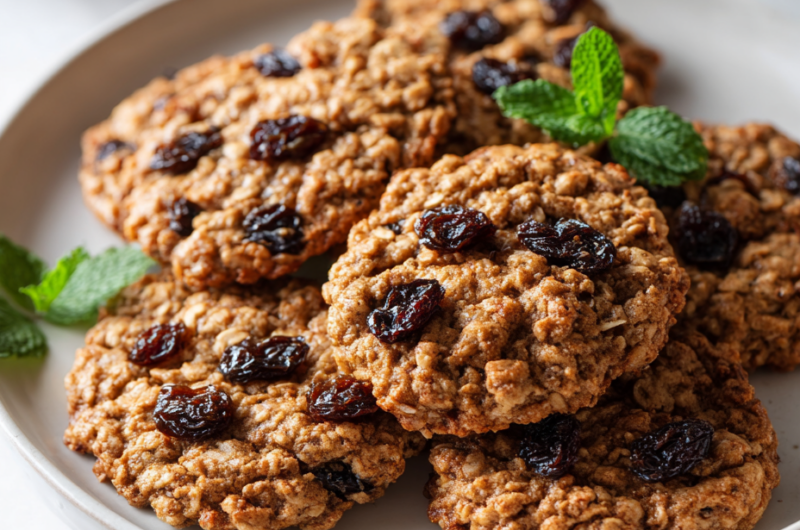
There’s something quietly comforting about a batch of homemade oatmeal raisin cookies. Maybe it’s the way the edges are slightly uneven, a sign that love and imperfect effort went into each one. These cookies remind me that baking isn’t about perfection but about embracing the charm of the little flaws, the chewy centers, and those sweet bursts of raisin every bite.
I remember the first time I baked these with my grandma, her hands guiding mine, the smell of cinnamon and oats filling the kitchen. Over the years, I’ve tweaked the recipe, but that nostalgic feeling of mixing ingredients and waiting for the oven to reveal golden, slightly cracked cookies remains the same. It’s a simple joy, a reminder that sometimes, the best treats are the ones made with a little chaos and a lot of heart.
Focusing on the nostalgic, imperfect charm of homemade oatmeal raisin cookies—embracing their slightly uneven edges and chewy centers as a reminder that baking is about love, not perfection.
The story behind this recipe
Making these oatmeal raisin cookies is a bit of a ritual for me. I remember late afternoons at my mom’s kitchen table, the scent of cinnamon swirling through the air as I mixed oats and raisins into sticky, sweet batter. It’s not just about the cookies, but the messy, joyful process—laughter, spills, and all. Over the years, I’ve tweaked the recipe, but that nostalgic feeling of cookie dough between my fingers remains the same, a small comfort in busy days.
Ingredient breakdown: key components
- Old-fashioned rolled oats: I love the chewiness they add, but if you want a softer cookie, try quick oats instead—just watch the texture change.
- Raisins: I prefer plump, juicy ones for bursts of sweetness, but soaking dried raisins in warm water for 10 minutes can make them even juicier and plump.
- Brown sugar: It gives that deep caramel flavor and chewy texture. Light brown works fine, but dark brown adds more richness—use what you like.
- Cinnamon: That warm, spicy aroma makes all the difference. If you’re out, a pinch of nutmeg or allspice can bring a similar cozy note.
- Butter: I use unsalted, softened butter for flavor and spread. For a dairy-free version, try coconut oil—just expect a slight change in richness and scent.
- Eggs: They help hold everything together and give structure. Flaxseed eggs are a good swap if you’re vegan, but the cookies might be a tad denser.
- Vanilla extract: It brightens the whole batch with a hint of warmth. Skip it if you want a more subdued flavor, but honestly, it’s a quick way to lift the cookies.
Spotlight on key ingredients
Oatmeal & Raisins:
- Old-fashioned rolled oats: They bring a hearty chew and absorb flavors well, but quick oats can soften the texture if you prefer a more tender cookie.
- Raisins: Juicy and sweet, they puff up slightly during baking, releasing bursts of fruity flavor—soaking them briefly can enhance their juiciness and plumpness.
Notes for ingredient swaps
- Dairy-Free: Swap butter for coconut oil or dairy-free margarine. Expect a slightly different richness and a hint of coconut aroma.
- Sweetener Options: Use honey or maple syrup instead of brown sugar. These will add moisture and a subtle flavor twist.
- Raisin Alternatives: Dried cranberries or chopped dates can replace raisins, bringing different bursts of tang or caramel flavor.
- Oats: Steel-cut oats can be used for a nuttier texture, but they need to be cooked first; instant oats make for softer cookies.
- Spices: Nutmeg or allspice can replace or complement cinnamon, adding depth or a smoky note to your cookies.
Equipment & Tools
- Mixing bowls: To combine wet and dry ingredients
- Hand or stand mixer: To cream butter and sugar, and mix ingredients smoothly
- Whisk: To mix dry ingredients thoroughly
- Cookie scoop or tablespoons: To portion dough evenly
- Baking sheet: To bake the cookies
- Parchment paper or silicone mat: To prevent sticking and promote even baking
- Wire rack: To cool the cookies properly
Step-by-step guide to oatmeal raisin cookies
- Gather all your ingredients and equipment. Preheat your oven to 180°C (350°F). Line a baking sheet with parchment paper or a silicone mat.
- In a large mixing bowl, cream together 1 cup (226g) softened unsalted butter and 1 cup (200g) brown sugar until light and fluffy, about 2-3 minutes. Use a hand or stand mixer on medium speed.
- Add 1 large egg and 1 teaspoon vanilla extract. Beat until well combined, approximately 30 seconds. Scrape down the sides of the bowl as needed.
- In a separate bowl, whisk together 1 1/2 cups (135g) rolled oats, 1 1/4 cups (150g) all-purpose flour, 1/2 teaspoon baking soda, and 1/2 teaspoon cinnamon. Mix well.
- Gradually add the dry ingredients to the wet, mixing on low speed just until combined. Do not overmix, or cookies could turn tough.
- Fold in 1 cup (150g) raisins. If they seem dry, soak them in warm water for 10 minutes, then drain and add to the dough for extra juiciness.
- Use a cookie scoop or tablespoons to portion dough onto the prepared baking sheet. Space each mound about 2 inches apart for spreading.
- Bake in the preheated oven for 10-12 minutes, or until the edges are golden brown and the centers look slightly underdone but set. The smell of cinnamon and oats should fill your kitchen.
- Remove cookies from oven and let sit on the baking sheet for 5 minutes. They will firm up as they cool. Then, transfer to a wire rack to cool completely.
- Finish with a light sprinkle of sea salt or a drizzle of honey if desired. Serve warm or at room temperature, and enjoy that chewy, sweet, cinnamon aroma.
Allow cookies to cool on the sheet for 5 minutes, then transfer to a wire rack. Finish with a sprinkle of sea salt if desired. Serve warm or at room temperature, enjoying the chewy texture and fragrant aroma.
How to Know It’s Done
- Edges are golden brown, cookies are slightly cracked.
- Center feels soft but not raw when gently pressed.
- Aromatic smell of cinnamon and oats fills your kitchen, and cookies jiggle slightly when shaken.
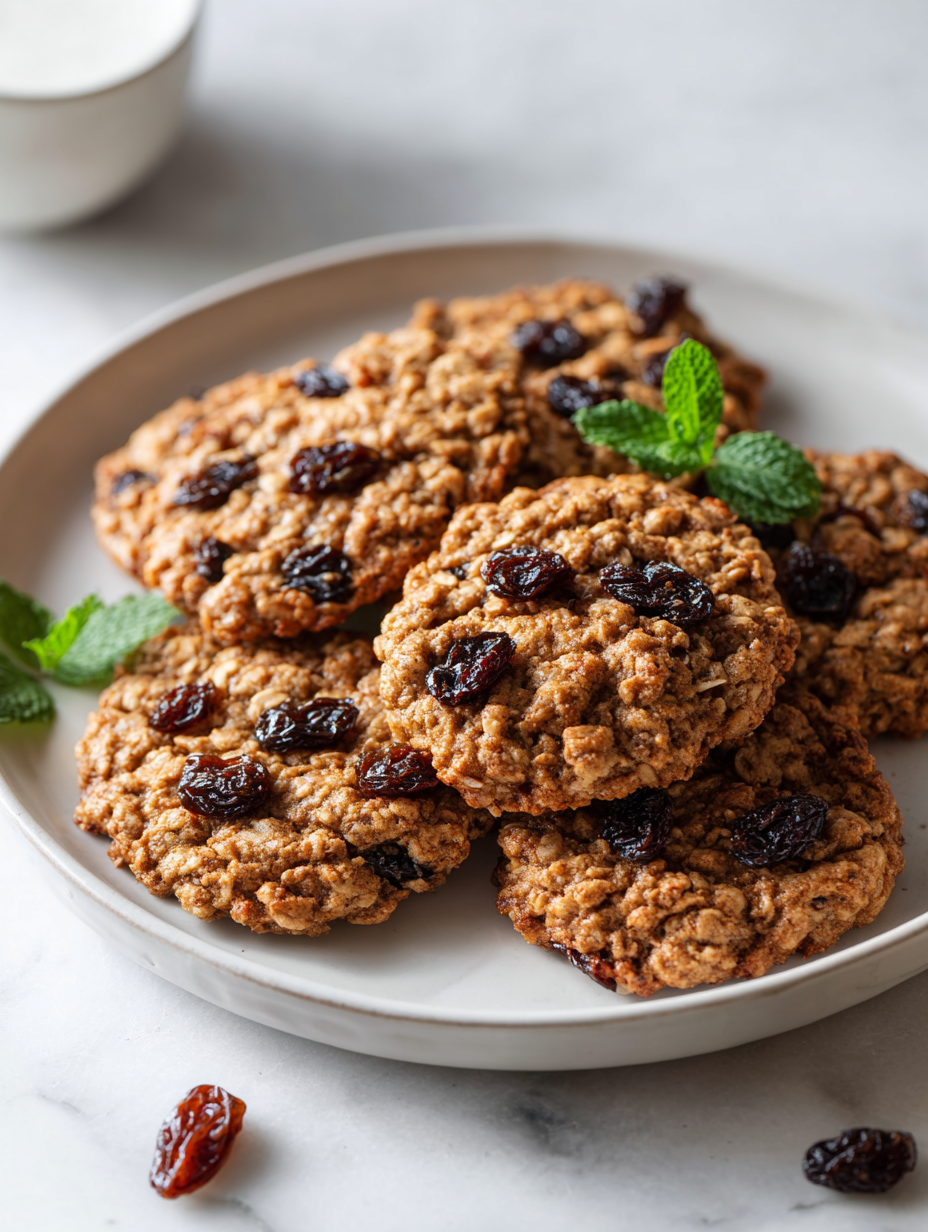
Homemade Oatmeal Raisin Cookies
Ingredients
Equipment
Method
- Preheat your oven to 180°C (350°F) and line a baking sheet with parchment paper or a silicone mat.
- In a large mixing bowl, beat together softened butter and brown sugar until the mixture is light, fluffy, and slightly creamy, about 2-3 minutes. You’ll hear gentle mixing sounds and see the mixture turn a paler color.
- Add the egg and vanilla extract to the butter-sugar mixture, beating until fully incorporated and the mixture is smooth. It should look slightly glossy and feel soft.
- In a separate bowl, whisk together the rolled oats, flour, baking soda, and cinnamon until evenly combined. This creates a fragrant, speckled dry mixture.
- Gradually add the dry ingredients to the wet mixture, mixing on low speed just until the ingredients are combined. The dough will start to come together and become thick and slightly sticky.
- Gently fold in the raisins, distributing them evenly throughout the dough. If your raisins seem dry, soak them in warm water for 10 minutes first, then drain and add.
- Using a cookie scoop or tablespoons, portion the dough onto the prepared baking sheet, spacing each mound about 2 inches apart to allow for spreading. The dough should look slightly rounded and rustic.
- Bake in the preheated oven for 10-12 minutes, or until the edges are golden brown and the cookies have cracked slightly on top. Your kitchen will fill with the warm aroma of cinnamon and oats.
- Once baked, remove the cookies from the oven and let them rest on the baking sheet for about 5 minutes. They will firm up slightly as they cool, with edges crispy and centers chewy.
- Transfer the cookies to a wire rack to cool completely. Finish with a light sprinkle of sea salt or a drizzle of honey if you like, then enjoy their fragrant, chewy goodness.
Pro Tips for Perfect Cookies
- Use cold butter for creaming to achieve a fluffier cookie texture.
- Slightly underbake—centers will be chewy and edges crispy, just like grandma’s.
- Mix the raisins into the dough gently to avoid crushing their juicy burst.
- For extra chewiness, add a tablespoon of molasses or honey to the batter.
- Chill the dough for 30 minutes before baking—this keeps cookies thick and prevents spreading.
- Rotate the baking sheet halfway through to ensure even browning and consistent texture.
- Let cookies rest on the sheet for 5 minutes after baking—this sets the structure before cooling.
Common mistakes and how to fix them
- FORGOT to measure flour accurately → Use a spoon to fluff and lightly scoop, then level.
- DUMPED in too many raisins → Fold gently to distribute evenly without breaking them.
- OVER-TORCHED cookies → Remove when edges are golden, centers slightly soft but set.
- MISSED resting time → Let cookies cool on sheet 5 minutes before transferring to prevent breakage.
Quick fixes and pantry swaps
- When cookies spread too much → Chill dough for 30 minutes before baking.
- If cookies are too dry → Splash with a few drops of milk before baking again.
- DUMPED in too many raisins → Patch with a sprinkle of oats on top to even out texture.
- Overbaked cookies → Shield edges with foil if they brown too quickly, then lower oven temp slightly.
- If smell of burnt butter → Rescue by removing from oven early and cooling immediately to halt cooking.
Prep, store, and reheat tips
- Prep the cookie dough ahead by portioning and chilling it in the fridge for up to 24 hours, which enhances the flavor and prevents spreading during baking. The dough will develop a richer, slightly more complex taste.
- Cookies can be stored in an airtight container at room temperature for up to 5 days. Keep them in a cool, dry place to maintain their chewy texture and prevent staling. Adding a slice of bread inside helps keep them soft.
- For longer storage, freeze baked cookies for up to 3 months. Wrap them individually in plastic wrap, then in foil. Thaw at room temperature, and you’ll notice a slight crunch and intensified aroma.
- Reheat cookies briefly in a 150°C (300°F) oven for 3-5 minutes. The smell of cinnamon and oats will rekindle, and the cookies will regain a warm, chewy center—perfect for a cozy snack.
Top questions about oatmeal raisin cookies
1. How do I know when the cookies are done?
Look for cookies that are golden at the edges and slightly soft in the center. They should smell warmly of cinnamon and oats. A gentle jiggle in the middle indicates they’re just set.
2. What if my cookies are overbaked?
If the edges turn dark or start to burn, remove the cookies immediately. The centers should be slightly underdone but set and fragrant.
3. Should I bake cookies until they’re hard or soft?
Cookies will firm up as they cool, so resist the temptation to bake them until they look completely firm. Slightly soft centers make chewy, tender treats.
4. How long do these cookies stay fresh?
Storing in an airtight container keeps them chewy for several days. To refresh, warm them in a low oven or microwave until fragrant and slightly soft.
5. Can I substitute ingredients in this recipe?
Use quick oats if you want softer, more tender cookies. For chewier texture, stick with old-fashioned rolled oats. Soaking raisins in warm water makes them juicier.
6. How can I prevent the cookies from spreading too much?
Chill the dough for at least 30 minutes before baking. This prevents spreading and enhances flavor. Use a cookie scoop for even portions and consistent baking.
7. Can I add other spices or flavors?
Adding a pinch of extra cinnamon or a splash of vanilla can boost flavor. For a richer taste, try brown sugar with a deeper caramel note.
8. Why are my cookies dry and crumbly?
If cookies turn out dry, check your oven temperature. Underbaking slightly or adding a small splash of milk before baking can help maintain moisture.
9. Are there vegan substitutions for this recipe?
For vegan options, replace butter with coconut oil and eggs with flaxseed eggs. Expect a slightly different texture—less chewy but still delicious.
10. What’s a quick test to check doneness?
When in doubt, gently press the cookies with your finger. They should feel soft but not raw, with fragrant cinnamon and oats filling the air.
Baking these oatmeal raisin cookies feels like a small act of rebellion against perfection. The slightly uneven edges and chewy centers remind me that good things don’t need to be flawless. It’s a simple, honest treat that brings back memories of lazy afternoons and cozy kitchens.
They’re perfect for moments when you need a quick comfort or a little bit of nostalgia. Plus, they’re forgiving enough to adapt with whatever ingredients you have on hand, making each batch uniquely yours. Sometimes, the imperfect ones turn out to be the most memorable.

Hi, I’m Noah Bennett, the creator behind Breathing In Flavors. For me, cooking begins with a breath. Before the first bite, before the plating, before the garnish, there is that quiet moment when steam rises and you inhale. That is where flavor truly begins. Breathing In Flavors is my space to slow down, appreciate ingredients, and cook with awareness. I am so glad you’re here.
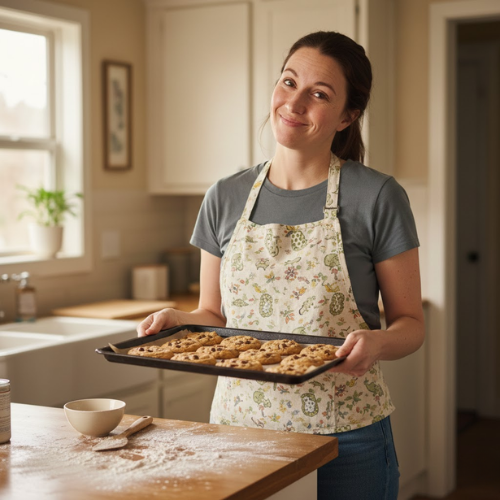 The creator behind Breathing In Flavors.
For me, cooking begins with a breath. Before the first bite, before the plating, before the garnish, there is that quiet moment when steam rises and you inhale. That is where flavor truly begins.
Breathing In Flavors is my space to slow down, appreciate ingredients, and cook with awareness. I am so glad you’re here.
The creator behind Breathing In Flavors.
For me, cooking begins with a breath. Before the first bite, before the plating, before the garnish, there is that quiet moment when steam rises and you inhale. That is where flavor truly begins.
Breathing In Flavors is my space to slow down, appreciate ingredients, and cook with awareness. I am so glad you’re here.