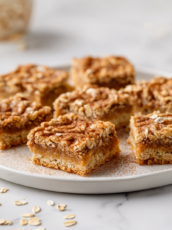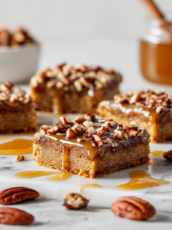
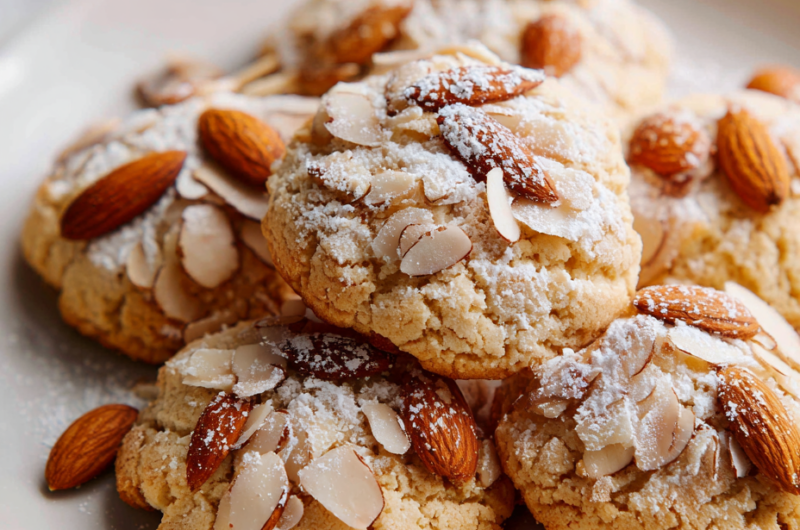
Almond cookies hold a special place in my baking arsenal, especially because of that irresistible toasted almond aroma that fills the kitchen. It’s not just about the flavor, but the way the scent wafts out as they bake, teasing your senses long before you take a bite. Achieving that perfect balance of crunch and tenderness is a challenge I keep coming back to, trying to get each batch just right, not too crumbly but still with a satisfying snap.
What makes this recipe stand out is the focus on highlighting the toasted almond flavor, which can easily get lost if you’re not careful. I’ve learned that a gentle toasting of the almonds beforehand really boosts their aroma and depth, giving every cookie a layered, nutty richness that’s hard to beat. It’s a straightforward process, but the payoff—a batch of cookies with a complex, warm almond scent—is worth every extra minute spent in the prep.
Focusing on how to perfect the delicate balance of toasted almond flavor and buttery crumb in every bite, making these cookies a sensory celebration of texture and aroma.
The story behind this recipe
- This recipe came together one rainy afternoon when I was craving something nutty and comforting but with a bit of elegance. I remember rummaging through my pantry, pulling out a bag of almonds I had toasted the week before. That smell—the warm, slightly smoky aroma—was what sparked the idea to make cookies that really showcased toasted almonds, not just as an afterthought.
- I’ve always loved how almonds bring a subtle richness to baked goods, but I wanted to push beyond the usual almond flour or extract. Toasting the nuts first, then grinding some into the dough, adds a layer of depth that’s hard to describe but impossible to forget. These cookies are a little rustic, a little delicate, and packed with the kind of flavor that makes you pause—like a warm hug you can eat.
- story_type
Ingredient breakdown: key components
- Almonds: I like to toast mine until they’re golden and smell nutty—this really boosts their flavor. Skip this step if you’re in a rush, but the aroma won’t be the same.
- Sugar: Use a mix of granulated and a touch of brown sugar for a little caramel depth. Too much brown can make the cookies too soft, so measure carefully.
- Butter: I prefer unsalted, softened to room temp. It helps with creaming and creates a tender crumb. If it’s too cold, the dough won’t come together smoothly.
- Eggs: I use large eggs, and I find that beating them lightly before adding helps incorporate everything evenly. If you’re out of eggs, a flaxseed swap works but changes the texture slightly.
- Flour: I stick to all-purpose flour, but a little almond flour can add more nutty flavor. If the dough feels too sticky, a sprinkle more flour helps without overdoing it.
- Salt: A pinch of flaky sea salt on top before baking really enhances the almond aroma. Skip it if you prefer a milder flavor, but I love that little savory kick.
- Vanilla extract: I use a splash of pure vanilla—just enough to deepen the sweetness without overpowering the almonds. If you don’t have vanilla, a bit of almond extract can amplify the nutty notes.
Spotlight on key ingredients
Almonds:
- I toast mine until they’re golden and smell nutty—this really boosts their flavor. Skip this step if you’re in a rush, but the aroma won’t be the same.
- Their texture shifts during baking—becomes wonderfully crunchy and releases a warm, roasted aroma. Keep an eye on them to prevent burning.
Sugar:
- I like a mix of granulated and a touch of brown sugar for a little caramel depth. Too much brown can make the cookies too soft, so measure carefully.
- It melts and crisps during baking, creating that irresistible slightly caramelized edge and a tender crumb inside.
Notes for ingredient swaps
- Dairy-Free: Swap butter for coconut oil or dairy-free margarine—will change the richness but keep the crunch.
- Sugar Alternatives: Use honey or maple syrup instead of refined sugar—adds moisture and a subtle flavor twist.
- Gluten-Free: Almond flour plus a touch of tapioca starch can work—makes the cookies more tender and crumbly.
- Egg-Free: Mashed banana or applesauce can replace eggs—affects binding and texture, but still tasty.
- Toasted Almonds: Use roasted cashews or hazelnuts for a different nut flavor—keep an eye on their saltiness and aroma.
- Salt: Reduce or omit if you’re sensitive—salt really enhances that toasted nut aroma, so consider a sprinkle at the end.
- Vanilla: Extract or essence can be swapped—almond extract boosts nutty notes, but use sparingly to avoid overpowering.
Equipment & Tools
- Parchment-lined baking sheet: Provides a non-stick surface for baking
- Mixing bowl: For combining and creaming ingredients
- Spatula: To mix and fold ingredients smoothly
- Small bowl: For toasting and cooling almonds
- Cookie scoop or tablespoon: Portioning dough evenly
Step-by-step guide to Almond Cookies
- Equipment & Tools: line a baking sheet with parchment; have a mixing bowl, spatula, and a small bowl for toasting almonds ready.
- Preheat your oven to 180°C (350°F). Toast 1 cup of sliced almonds on the baking sheet until golden and fragrant, about 8-10 minutes. Let cool.
- In a large bowl, cream together 1/2 cup softened unsalted butter and 1/2 cup sugar until light and fluffy, about 2-3 minutes.
- Chop the cooled toasted almonds finely and stir into the butter mixture. This infuses the dough with nutty aroma.
- Add 1 large egg and 1 teaspoon vanilla extract to the bowl. Mix until well combined, ensuring the ingredients are evenly distributed.
- Sift in 1 1/4 cups all-purpose flour and a pinch of salt. Fold gently until the dough just comes together. If too sticky, sprinkle with a little more flour.
- Using a tablespoon or cookie scoop, portion out the dough into balls. Place on the prepared baking sheet, spacing about 2 inches apart.
- Flatten each ball slightly with your fingers or the back of a fork. Sprinkle with a tiny pinch of flaky sea salt if desired.
- Bake in the preheated oven for 10-12 minutes, or until edges are golden and cookies are set. The smell should be warm and toasted.
- Allow cookies to cool on the baking sheet for 5 minutes, then transfer to a wire rack. Let them cool completely before handling.
- Rest the cookies for at least 15 minutes. This helps set their texture and prevents them from crumbling.
- Finish by serving with a cup of tea or coffee. The cookies should be crisp around the edges, tender inside, with a rich almond aroma.
Let the cookies cool on a wire rack for at least 15 minutes to set their texture. Serve plain or with a dusting of powdered sugar for a simple finish.
How to Know It’s Done
- Edges are golden and slightly crisp when baked.
- Cookie texture is tender but holds shape when gently pressed.
- Aromatic toasted almond smell fills the kitchen as they cool.
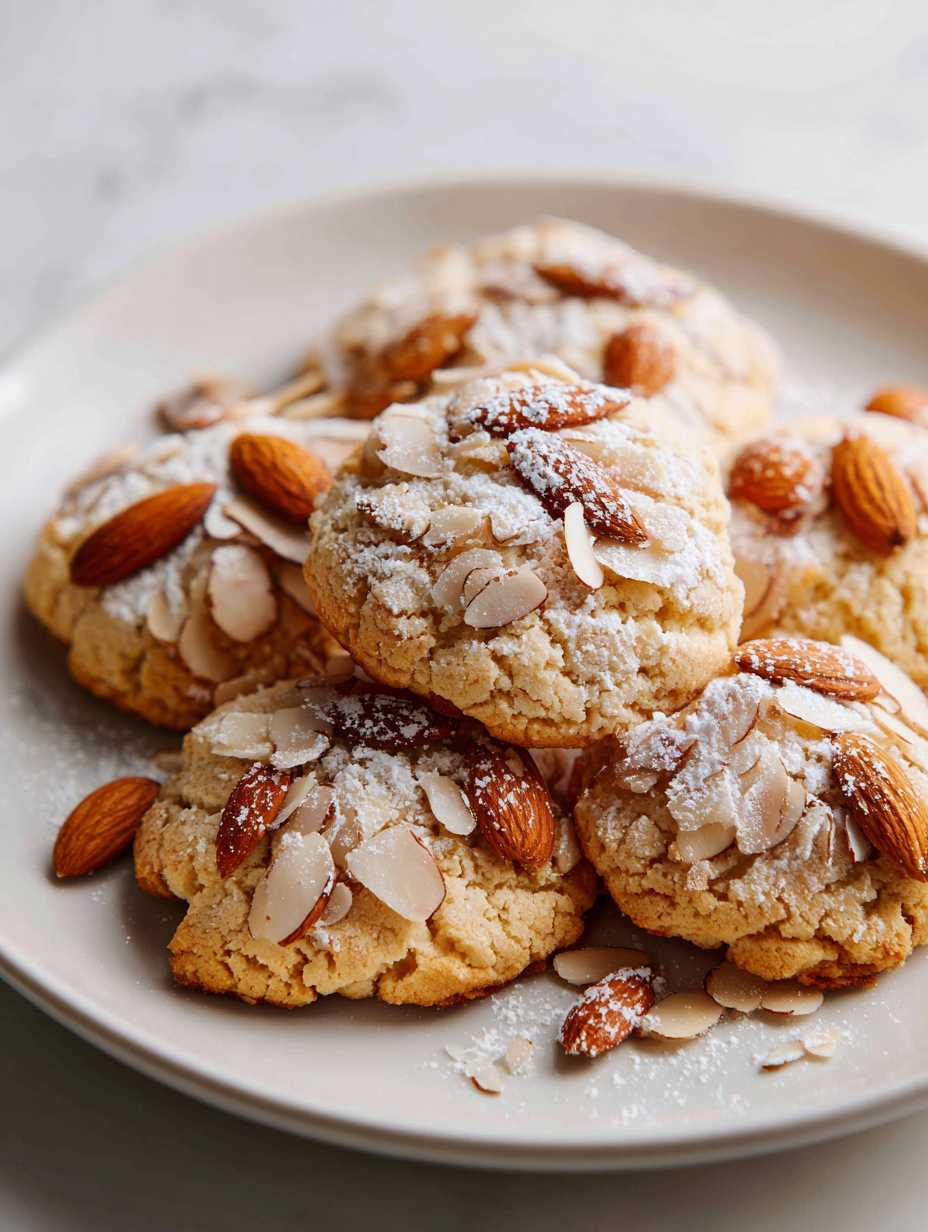
Toasted Almond Cookies
Ingredients
Equipment
Method
- Preheat your oven to 180°C (350°F). Spread sliced almonds on a baking sheet and toast them in the oven for about 8-10 minutes until golden and fragrant. Remove and let cool; this enhances their nutty aroma.
- In a large mixing bowl, cream together softened butter and sugar using a spatula or hand mixer until the mixture is light, fluffy, and slightly pale, about 2-3 minutes. This creates a tender base for the cookies.
- Chop the cooled toasted almonds finely and gently fold them into the creamed butter mixture, distributing the nutty flavor evenly throughout the dough.
- Add the egg and vanilla extract to the bowl, then beat or fold until the mixture is smooth and well combined. This helps incorporate air and ensures even flavor distribution.
- Sift in the all-purpose flour along with a pinch of flaky sea salt. Gently fold the dry ingredients into the wet until just combined. If the dough feels sticky, sprinkle a little more flour to help shape it.
- Using a cookie scoop or tablespoon, portion out the dough into small balls and place them onto the prepared baking sheet, spacing them about 2 inches apart. Slightly flatten each ball with your fingers or the back of a fork.
- Sprinkle a tiny pinch of flaky sea salt on top of each cookie to enhance the toasted almond aroma and add a subtle savory contrast.
- Bake in the preheated oven for 10-12 minutes, or until the edges are golden brown and the cookies are set. The kitchen will fill with a warm, toasted almond scent.
- Remove the cookies from the oven and let them cool on the baking sheet for about 5 minutes. Then, transfer them to a wire rack to cool completely, allowing the texture to firm up and flavors to develop.
- Once cooled, enjoy these cookies with a cup of tea or coffee. The cookies should be crisp around the edges, tender inside, with a deeply toasted almond aroma that invites every bite.
Notes
Pro tips for perfect almond cookies
- Toast almonds until golden and fragrant, then cool for maximum flavor boost.
- Use a light hand when mixing; overworking the dough can lead to tough cookies.
- Keep an eye on baking time; edges turn golden quickly—pull them out right at perfection.
- Sprinkle a tiny pinch of flaky sea salt on top before baking for a flavor-enhancing crunch.
- Chill the dough for 15-20 minutes if it’s too sticky; makes shaping easier and cookies more uniform.
- For a richer almond aroma, toast the almonds twice—once before grinding and once right before mixing.
- Use a silicone spatula to fold ingredients gently, preserving air and ensuring tender cookies.
Common mistakes and how to fix them
- FORGOT to toast almonds → Toast almonds until golden and fragrant before grinding.
- DUMPED the sugar → Ensure sugar is well mixed for even sweetness and caramelization.
- OVER-TORCHED the cookies → Watch closely near the end; remove when edges are golden, not burnt.
- MISSED resting time → Let cookies cool completely to set texture and prevent crumbling.
Quick fixes and pantry swaps
- If cookies spread too thin → Chill dough for 15 minutes before baking.
- When cookies are too soft → Bake a minute longer, watching for golden edges.
- Splash a bit of milk if dough is crumbly → Helps bring it together without overmixing.
- Patch burnt bottoms → Cover with foil and lower oven temp slightly.
- Shield delicate edges with foil mid-bake → Prevent over-browning while interior finishes baking.
Prep, store, and reheat tips
- You can prepare the cookie dough up to 24 hours ahead; keep it wrapped tightly in the fridge to prevent drying out.
- Cookies are best enjoyed within 3 days; store in an airtight container at room temperature to maintain their crisp edges and tender crumb.
- For longer storage, freeze baked cookies for up to 1 month; reheat in a 180°C (350°F) oven for 5-7 minutes until warm and aromatic.
- Reheated cookies will regain some of their fresh-baked texture; look for a warm almond aroma and a slight crunch around the edges.
Top questions about almond cookies
1. Should I toast the almonds first?
Toasting almonds beforehand really enhances their nutty aroma and flavor. It adds a smoky depth that fresh almonds lack.
2. Can I use salted butter?
Using salted butter is fine, but if you prefer a less salty cookie, opt for unsalted and add a pinch of salt to the dough.
3. My dough is too sticky, what now?
If the dough feels too sticky, chilling it in the fridge for 15-20 minutes makes it easier to handle and shapes better.
4. How do I know when the cookies are done?
Bake the cookies until the edges are golden and slightly crisp—about 10-12 minutes at 350°F (180°C). They should smell toasted and warm.
5. Can I add more flavor to the cookies?
For a richer almond flavor, add a splash of almond extract along with vanilla. It intensifies the nutty aroma.
6. How should I store these cookies?
Storing in an airtight container at room temperature keeps them crisp for up to 3 days. For longer, freeze for up to a month.
7. My cookies are spreading too much.
If cookies spread too thin, chilling the dough helps. Also, flatten them gently before baking for a uniform shape.
8. What type of sugar works best?
Using a mix of granulated and brown sugar adds depth, with caramel notes from the brown sugar. Adjust to taste for sweetness.
9. How should I handle the almonds?
Chopping toasted almonds finely distributes their flavor throughout the cookie and creates a delightful crunch in every bite.
10. They’re too soft—what’s the fix?
If the cookies are a bit too soft after baking, give them a few extra minutes in the oven until edges turn golden and aroma deepens.
These almond cookies aren’t just a treat—they’re a reminder of how simple ingredients can come together to create something memorable. Every time I bake a batch, I’m transported back to moments of quiet joy, with that warm, toasted aroma filling the kitchen.
Sharing these cookies with friends or just keeping a few on hand for myself always feels like a small victory. They’re perfect now—crispy, tender, and bursting with nutty warmth—just the way I love them to be.

Hi, I’m Noah Bennett, the creator behind Breathing In Flavors. For me, cooking begins with a breath. Before the first bite, before the plating, before the garnish, there is that quiet moment when steam rises and you inhale. That is where flavor truly begins. Breathing In Flavors is my space to slow down, appreciate ingredients, and cook with awareness. I am so glad you’re here.
 The creator behind Breathing In Flavors.
For me, cooking begins with a breath. Before the first bite, before the plating, before the garnish, there is that quiet moment when steam rises and you inhale. That is where flavor truly begins.
Breathing In Flavors is my space to slow down, appreciate ingredients, and cook with awareness. I am so glad you’re here.
The creator behind Breathing In Flavors.
For me, cooking begins with a breath. Before the first bite, before the plating, before the garnish, there is that quiet moment when steam rises and you inhale. That is where flavor truly begins.
Breathing In Flavors is my space to slow down, appreciate ingredients, and cook with awareness. I am so glad you’re here.