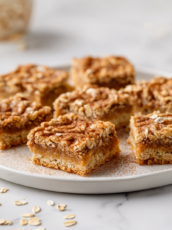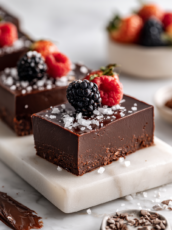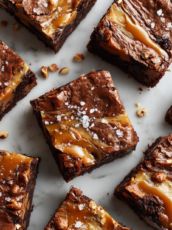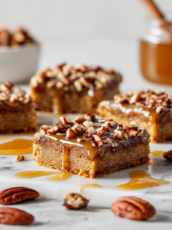
Making peanut butter cups from scratch isn’t just about tasting better, it’s about the messy, joyful process of creating something sweet with your own hands. I love the way the chocolate melts on your tongue, the salty-sweet peanut filling pulling a smile out of even the grumpiest kid.
This recipe isn’t about perfection but about capturing that nostalgic feel—rich, creamy, and just a little bit chaotic. It’s the kind of treat that makes you want to grab some spoons and a handful of ingredients, then just wing it.
The unpolished, honest journey of perfecting homemade peanut butter cups, from melting chocolate to the final bite.
Why homemade peanut butter cups matter to me
- There’s something satisfying about melting chocolate slowly, the smell of cocoa filling the kitchen.
- I love experimenting with different toppings—sea salt, crushed pretzels, even a drizzle of caramel.
- Making these at home reminds me of childhood, sneaking into the kitchen for a sweet treat.
- Every batch is a little different, which keeps the process exciting rather than routine.
A personal story of creating and perfecting this treat
- My grandma used to make these for us during holidays. The smell of melted chocolate and peanut butter always brings back warm memories.
- I started experimenting with making them vegan, swapping out dairy chocolate for coconut oil-based melts.
- The process is forgiving—sometimes the chocolate seizes, sometimes it’s perfect, but the fun is in adjusting and tasting.
A little history behind the peanut butter cup
- The first commercial peanut butter cups were created by Hershey in 1928.
- Peanut butter cups originated as a way to combine chocolate and peanut butter, both American inventions.
- The classic Reese’s cup was inspired by a candy made by a candy-maker named H.B. Reese.
- Homemade versions often taste richer because of better quality chocolate and natural peanut butter.
Ingredient insights: chocolate and peanut butter
- Chocolate: Rich, melts smoothly, and sets with a shiny finish. Use high-quality for best results. Consider adding a teaspoon of coconut oil for extra gloss.
- Peanut Butter: Creamy and salty, it’s the star filling. Natural peanut butter gives a more authentic flavor. Stir well to avoid oil separation.
- Sweetener (if added): A touch of honey or maple syrup can add a subtle sweetness and help the filling stick better.
- Vanilla Extract: Adds depth and aroma. Use pure vanilla for a richer scent.
- Salt: Just a pinch enhances all flavors. Flaky sea salt on top is a nice touch.
Spotlight on chocolate and peanut butter
Chocolate:
- It’s the backbone of the cup—smooth, shiny, and melts on your tongue. Watch out for seizing if overheated.
- Peanut Butter: The creamy, salty core—warm it slightly for easier mixing. It’s more than just filling, it’s the flavor anchor.
Peanut Butter:
- Cocoa butter in good chocolate gives it a glossy sheen and smooth melt. It’s worth finding quality bars.
- Peanut oil in natural peanut butter can make the filling softer but watch for separation during chilling.
Substitutions to customize your peanut butter cups
- Dairy-Free: Swap dark chocolate with coconut oil-based melts for a smooth, dairy-free finish.
- Sweetener: Use honey or maple syrup instead of sugar for a more natural sweetness.
- Peanut Butter: Almond or cashew butter as a nutty alternative, slightly different flavor but just as creamy.
- Salted Caramel: Replace some peanut butter with caramel for a richer, gooey center.
- Vegan: Use plant-based chocolates and nut butters for a vegan-friendly treat.
Equipment & Tools
- Muffin tin or silicone molds: Shape and contain the cups
- Double boiler or microwave-safe bowl: Gently melt chocolate
- Spatula or small spoon: Spread chocolate and peanut butter
- Cooling rack or plate: Place cups to set
- Parchment paper: Lining or protecting work surface
Step-by-step guide to homemade peanut butter cups
- Line a muffin tin with paper cups or silicone molds.
- Melt the chocolate slowly over a double boiler or microwave, stirring until smooth.
- Spoon about a teaspoon of melted chocolate into each mold, spreading it slightly up the sides. Chill for 10 minutes.
- Warm the peanut butter slightly so it’s spreadable. Drop a small spoonful into each chocolate shell.
- Cover the peanut butter with more melted chocolate, ensuring it’s completely sealed.
- Chill the cups in the fridge for at least 1 hour until set.
- Optional: garnish with a sprinkle of flaky salt or crushed peanuts before the final chill.
- Remove from molds carefully, using a knife if needed to loosen edges.
- Store in an airtight container in the fridge. Serve at room temp for the best texture.
Chill the cups in the fridge for at least 1 hour. Let them sit at room temperature for 10 minutes before serving for optimal texture.
How to Know It’s Done
- Chocolate is glossy and smooth when melted.
- Peanut butter sits comfortably without overflowing.
- Chocolate edges are sealed and not streaked with peanut butter.
Homemade Peanut Butter Cups
Ingredients
Equipment
Method
- Place paper cups or silicone molds into a muffin tin for easy shaping.
- Gently melt the chocolate using a double boiler or microwave, stirring often until smooth and glossy. The chocolate should be warm but not overheated, with a pleasant aroma filling the kitchen.
- Spoon about a teaspoon of melted chocolate into each mold, tilting and swirling to spread it up the sides. Gently tap the tin on the counter to remove air bubbles. Chill in the fridge for 10 minutes to set the base layer.
- While the chocolate chills, warm the peanut butter slightly in the microwave for a few seconds until soft and spreadable. Stir in honey and vanilla extract if using, to enhance flavor and smoothness.
- Drop small spoonfuls of the softened peanut butter into each chocolate shell, pressing gently to fill the center. Be careful not to overfill—just enough to create a nice, centered filling.
- Cover the peanut butter with more melted chocolate, ensuring the filling is completely sealed. Use the back of a spoon or small spatula to smooth the top if needed. Chill again for at least 1 hour until fully set.
- Optional: Before the final chill, sprinkle a tiny pinch of flaky salt or crushed nuts on top for extra flavor and visual appeal. Once set, carefully remove the peanut butter cups from the molds and place on a plate.
- Let the peanut butter cups sit at room temperature for about 10 minutes before enjoying. This allows the chocolate to soften just slightly, enhancing the melt-in-your-mouth experience. Store leftovers in an airtight container in the fridge for up to two weeks.
Cooking tips & tricks for perfect peanut butter cups
- Use room temperature peanut butter for easier spreading.
- Chill each layer for at least 10 minutes to prevent mixing of layers.
- Add a pinch of sea salt to the chocolate for a salty-sweet contrast.
- Use a small spatula or spoon for neat layers.
- Rewarm chocolate gently if it thickens, to keep it smooth.
Common mistakes and how to fix them
- FORGOT TO temper the chocolate? Gently rewarm and stir in a teaspoon of vegetable oil.
- DUMPED too much peanut butter? Use a damp spoon to level it without overflow.
- OVER-TORCHED the chocolate? Add a small spoon of coconut oil and stir gently.
- CRACKED the chocolate after chilling? Let them sit at room temp for 10 minutes before eating.
Quick fixes for common peanut butter cup mishaps
- If the chocolate isn’t melting smoothly, splash in a little coconut oil.
- When chocolate cracks, patch with melted chocolate and smooth over.
- Shield the cups from humidity by keeping them in a sealed container.
- When the peanut butter is too stiff, microwave for 5 seconds to loosen.
- Smell the chocolate—if it smells burnt, start over with fresh chocolate.
Make-ahead and storage tips for peanut butter cups
- Prepare the chocolate shells and store them in an airtight container for up to a week.
- Keep the filled cups in the fridge for 1–2 weeks, or freeze for up to a month.
- Flavors deepen and meld after a day or two, so they taste even better then.
- Reheat in the fridge for 10 minutes or at room temp for 20 to restore softness.
10 practical Q&As about making peanut butter cups at home
1. How do I melt chocolate without burning it?
Use a good quality semi-sweet or dark chocolate for a richer flavor. Melt slowly over low heat or in short bursts in the microwave. Be patient, stirring often to prevent burning.
2. How do I prevent the chocolate from sticking?
Line your muffin tin with paper cups or silicone molds. This makes removal easier and cleaner. Just a thin layer of oil on the mold surface helps with release.
3. Can I use crunchy peanut butter?
Choose a creamy peanut butter, preferably natural or with minimal additives. Stir well before measuring, so it spreads smoothly and bonds well with the chocolate.
4. Should I heat the peanut butter before filling?
For a softer center, warm the peanut butter slightly so it’s spreadable but not runny. For a firmer bite, chill the peanut butter before adding to the chocolate.
5. How long do I need to chill the peanut butter cups?
Chill your assembled cups in the fridge for at least 1 hour to set the chocolate completely. For quicker setting, pop them in the freezer for about 20 minutes.
6. What’s the best way to fill the molds neatly?
Use a small spoon or piping bag to fill the molds to avoid messes. Keep a damp cloth nearby to wipe drips immediately.
7. My melted chocolate gets thick, what do I do?
If the chocolate cools and thickens before filling, gently rewarm it in short bursts. Keep the temperature low to prevent seizing.
8. How do I get shiny, glossy chocolate?
Add a pinch of coconut oil or shortening to the melted chocolate to make it glossy and easier to pour. It helps with smoothness and shine.
9. How should I store leftover peanut butter cups?
Store your peanut butter cups in an airtight container in the fridge for up to two weeks. Bring to room temp before eating for best texture.
10. Why do my peanut butter cups crack?
If the chocolate cracks when you bite, it’s over-chilled. Let them sit at room temp for a few minutes before eating.
Once you get the hang of it, these peanut butter cups become your go-to homemade gift or quick fix. They’re imperfect, but that’s part of the charm, right? Plus, no preservatives, just pure peanut butter, chocolate, and a little love.
In the end, it’s about the simple pleasure of making something delicious with your own hands—no fancy equipment needed, just a little patience and a lot of good vibes.

Hi, I’m Noah Bennett, the creator behind Breathing In Flavors. For me, cooking begins with a breath. Before the first bite, before the plating, before the garnish, there is that quiet moment when steam rises and you inhale. That is where flavor truly begins. Breathing In Flavors is my space to slow down, appreciate ingredients, and cook with awareness. I am so glad you’re here.
 The creator behind Breathing In Flavors.
For me, cooking begins with a breath. Before the first bite, before the plating, before the garnish, there is that quiet moment when steam rises and you inhale. That is where flavor truly begins.
Breathing In Flavors is my space to slow down, appreciate ingredients, and cook with awareness. I am so glad you’re here.
The creator behind Breathing In Flavors.
For me, cooking begins with a breath. Before the first bite, before the plating, before the garnish, there is that quiet moment when steam rises and you inhale. That is where flavor truly begins.
Breathing In Flavors is my space to slow down, appreciate ingredients, and cook with awareness. I am so glad you’re here.